1. Build a Solid Portfolio Before You Quit Your Day Job
Your portfolio is your golden ticket. Showcase your best work—personal projects, mockups, or client samples. Make sure it reflects your unique style and range. Platforms like Behance, Dribbble, or your own website are perfect for housing your digital portfolio.
Pro Tip: If you don’t have client work, create redesigns for brands you admire or develop themed projects for imaginary businesses
2. Start Networking & Building Your Client Base Early
Freelancing isn’t just about skills—it’s about connections. Begin by reaching out to friends, small businesses, or nonprofits who need design work. Join Facebook groups, LinkedIn communities, or design forums. Word-of-mouth is powerful, especially in creative industries.
3. Set Up Your Brand as a Freelancer
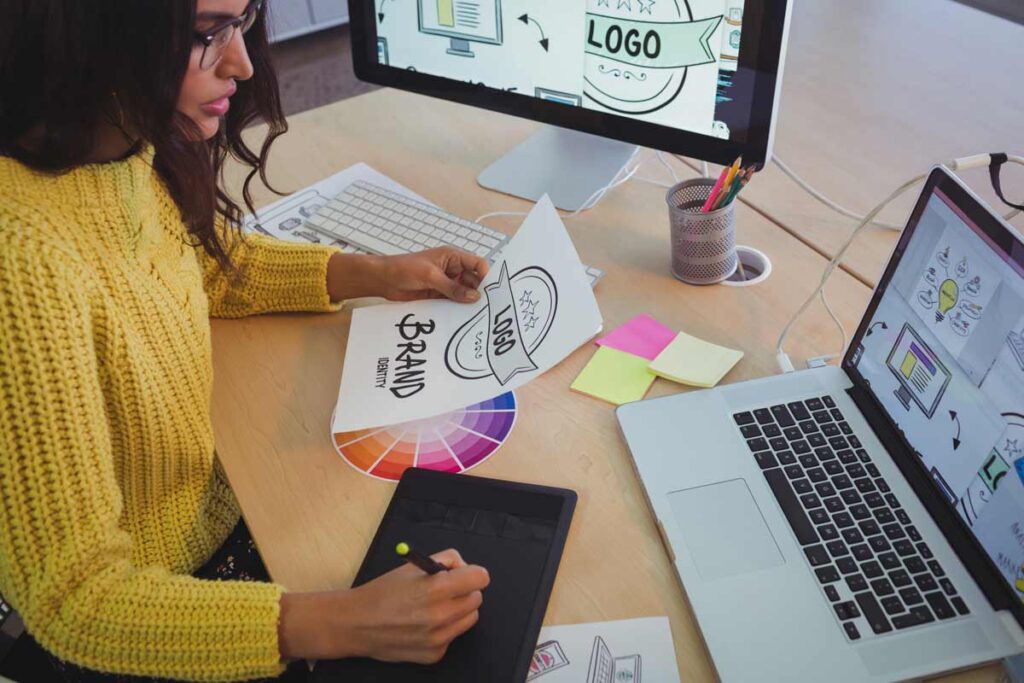
Treat your freelance work like a business. That means creating a personal brand identity—logo, color palette, and tone of voice. A professional presence builds trust with potential clients.
Must-haves:
A clean, responsive website
Business email and social profiles
A well-crafted elevator pitch
4. Know Your Worth—And Charge It
One of the biggest mistakes new freelancers make is undercharging. Do market research, calculate your hourly rate or project pricing based on your expenses and time, and don’t be afraid to say no to low-paying gigs.
Pro Tip: Use pricing tiers or package deals for clarity and value.
5. Master Time Management & Productivity Tools
Going full-time means becoming your own boss, manager, and timekeeper. Tools like Trello, Notion, or ClickUp can help manage projects. Apps like Clockify or Toggl can track time and boost productivity.
Establish routines and work hours—even if you’re working from home in pajamas!
6. Get Legal and Financially Prepared
Before you make the leap, sort out the basics:
Register your business if required
Open a separate bank account
Keep records of income, invoices, and expenses
Consider contracts for each project
A little structure goes a long way in keeping things professional.
7. Keep Learning and Evolving
Design trends change, software updates roll out, and skills can always improve. Invest in courses, attend webinars, or follow design influencers to stay sharp and ahead of the curve.
Final Thoughts:
Turning your freelance graphic design hustle into a full-time career is absolutely possible—with the right preparation, mindset, and hustle. It's not just about working for yourself—it's about building a life and career on your own creative terms.
Ready to make the leap? The world is waiting for your designs.